Winter is coming, and while you might be dreaming of cozy nights by the fire, your RV is likely dreading the cold. Forgetting to properly winterize your recreational vehicle can lead to a host of expensive and frustrating problems. Don’t let a little negligence turn your spring RV dreams into a costly nightmare!
Winterization is essentially preparing your RV’s water system and other components to withstand freezing temperatures. Water expands when it freezes, and if it’s left in your pipes, tanks, and fixtures, that expansion can cause them to burst or crack. This can result in leaks, significant water damage, and a hefty repair bill when spring finally arrives.
The Dangers of Freezing Water: A Closer Look
Here’s a breakdown of the key areas vulnerable to freeze damage:
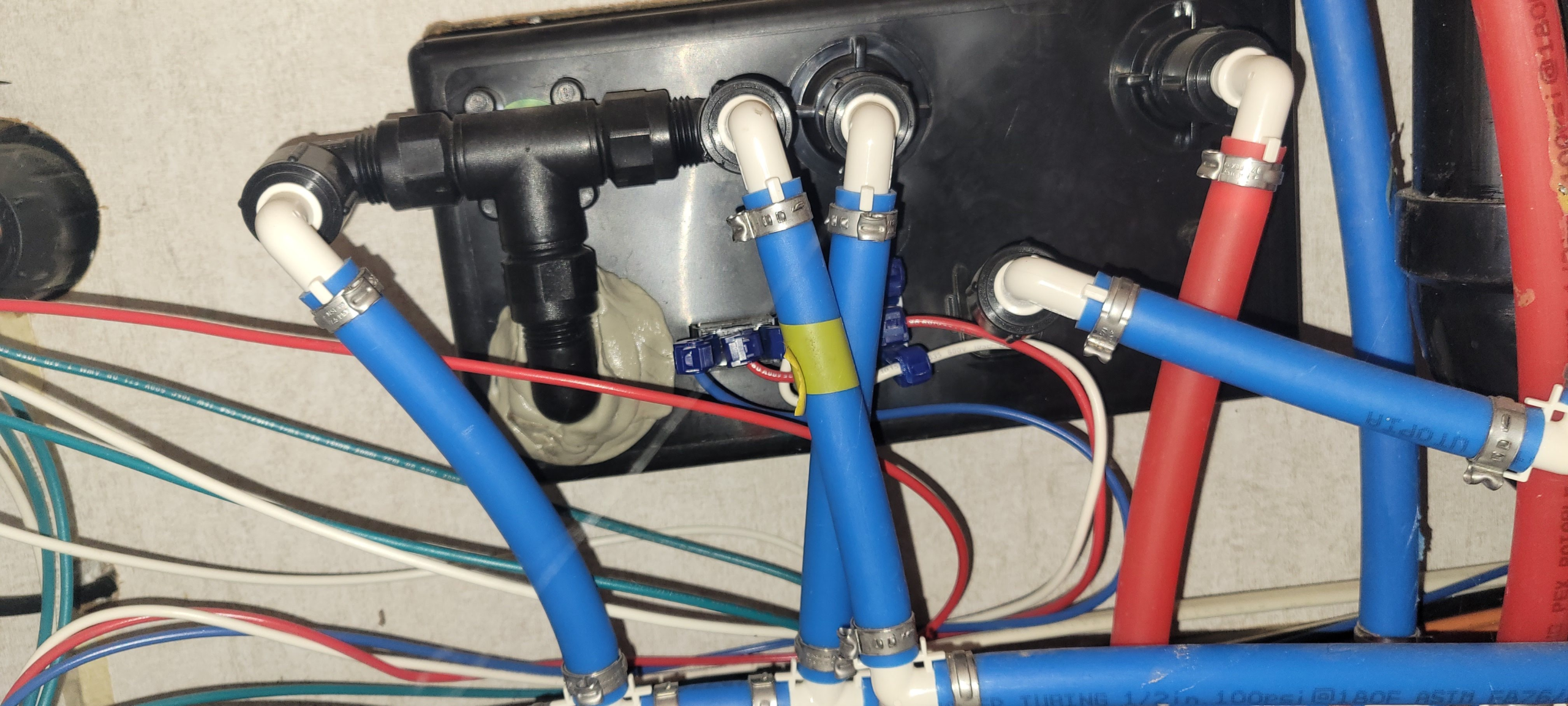
- Pipes and Hoses: Your RV’s plumbing system, including fresh water lines, drain lines, and even exterior hoses, are all susceptible. A burst pipe can lead to extensive water damage, not just to the pipe itself, but to the surrounding cabinetry, flooring, and even electrical components.
- Water Heater: If water is left in your water heater and freezes, it can damage the tank, heating elements, and bypass valves. This can render your water heater unusable and require expensive replacement parts.
- Water Pump: The heart of your RV’s water system, the water pump, can also be severely damaged by freezing water. The internal components are not designed to withstand the pressure of expanding ice.
- Holding Tanks (Fresh, Grey, Black): While these tanks are often made of more flexible materials, they can still be damaged, especially if they are completely full of water that then freezes and expands. Even a small crack can lead to persistent leaks.
Toilet Valve Cracking
One particularly insidious and often overlooked problem is the cracking of your RV toilet’s flush valve. This small but crucial component is made of plastic and is responsible for controlling the flow of water into the toilet bowl when you flush. If water remains in this valve and freezes, the expanding ice can easily crack the plastic.
The frustrating part? You might not even realize it’s cracked until you de-winterize your RV in the spring and go to use the toilet. Suddenly, you’ll have a constant drip or a slow leak. Replacing a toilet valve can be a fiddly and time-consuming repair, and in some cases, a severely damaged valve might even necessitate replacing the entire toilet. It’s a prime example of how a small oversight during winterization can lead to a significant headache.
The Benefits Outweigh the Effort
While winterizing your RV might seem like a chore, the benefits far outweigh the time and effort involved. Think of it as an investment in the longevity and trouble-free enjoyment of your RV.
- Peace of Mind: Knowing your RV is protected from the elements allows you to relax throughout the winter months.
- Cost Savings: Avoiding costly repairs from freeze damage can save you hundreds, if not thousands, of dollars.
- Extended RV Lifespan: Proper maintenance, including winterization, contributes to the overall health and lifespan of your recreational vehicle.
- Ready for Spring: When warmer weather returns, you’ll be able to hit the road faster without having to deal with unexpected repairs.
Don’t Delay, Winterize Today!
Whether you’re a seasoned RVer or just bought your first rig, don’t underestimate the importance of winterization. If you’re unsure about the process, consult your RV’s owner’s manual, watch some online tutorials, or consider having a professional service handle it for you. A little preparation now can save you a lot of grief (and money!) later. Happy camping (next spring)!