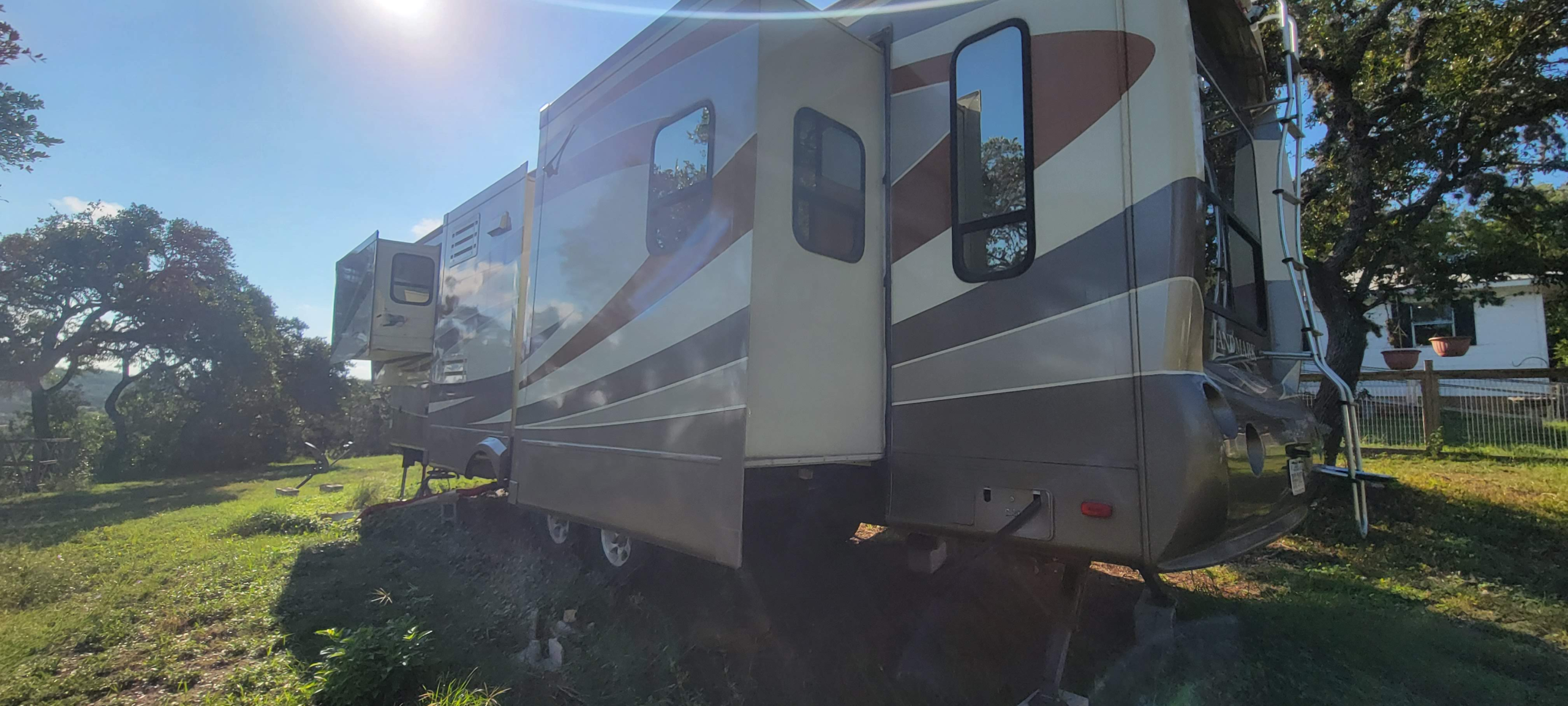
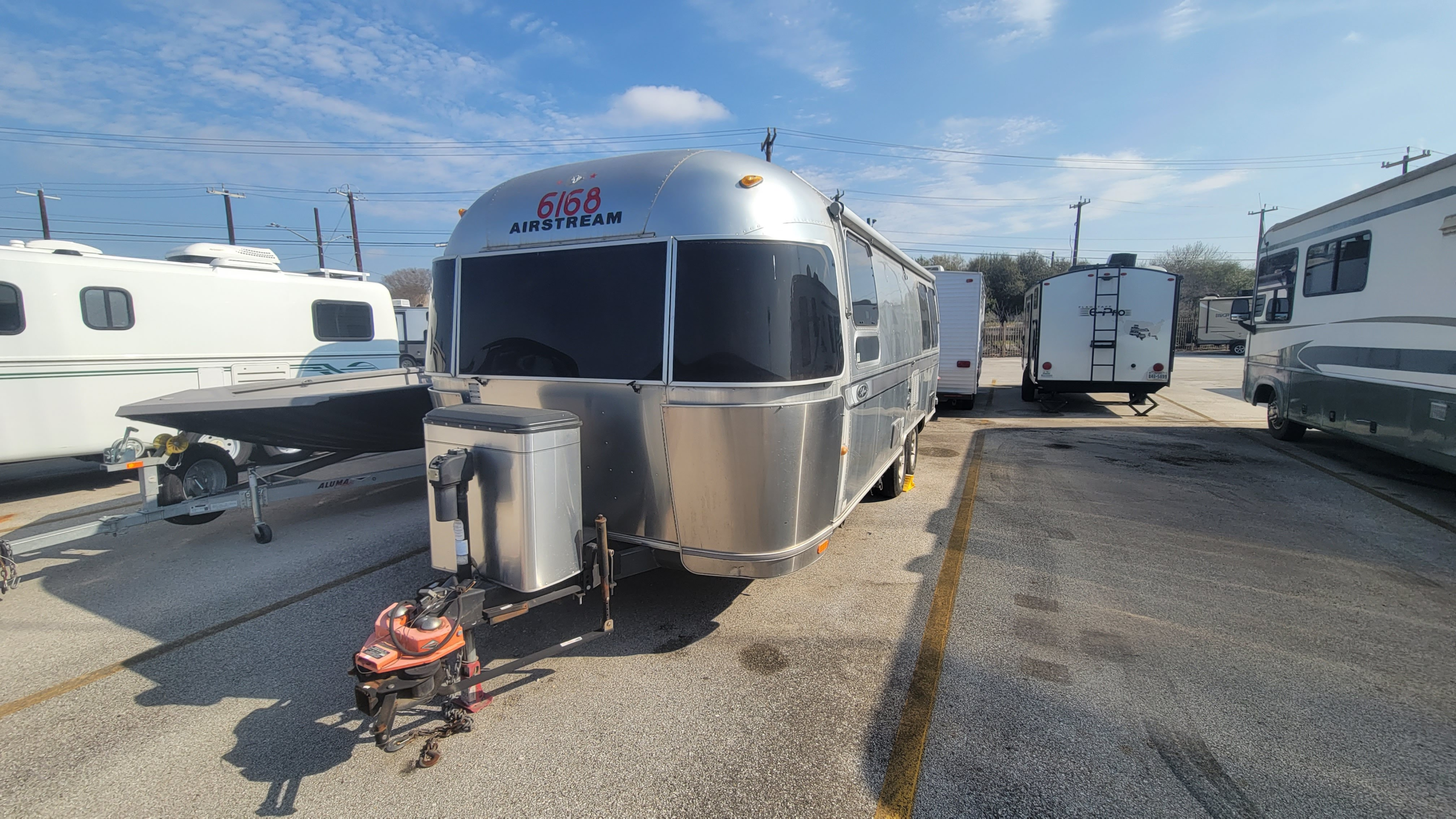
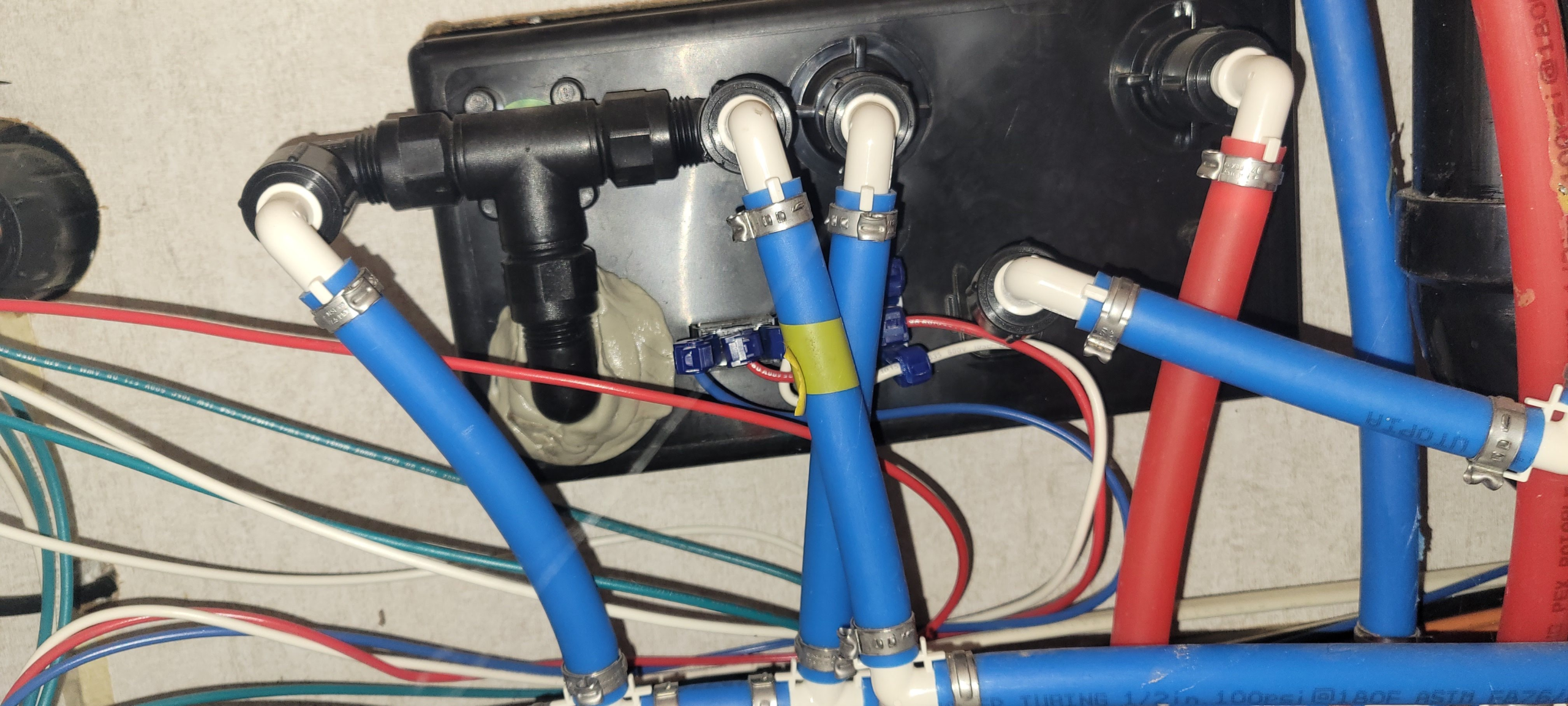
RV Slideout Maintenance is one of those “ounce of prevention” tasks that pays off massively in the long run. There is nothing quite like the stress of a slideout that’s stuck halfway or a leak that ruins your interior flooring.
To keep your “extra space” moving smoothly and staying dry, you need to focus on two key areas: the mechanical tracks and the rubber seals/sweeps. Here is your guide to keeping them in top shape.
1. The Clean Sweep: Debris is the Enemy
Before you even think about lubricants, you have to get rid of the grit.
The Roof: Leaves, twigs, and pine needles love to hitch a ride on top of your slide. If you retract the slide with debris on top, it can tear your top sweep or get crushed into the internal seals.
The Tracks: Road salt, dust, and sand act like sandpaper on your gears and rails.
Maintenance Tip: Always use a soft-bristle broom or a leaf blower to clear the top of the slide before pulling it in. For the tracks, a quick wipe with a damp rag (and maybe some isopropyl alcohol for stubborn grease) does wonders.
2. Seal & Sweep Care
The seals (the bulbous rubber around the edges) and sweeps (the flat rubber flaps that “wipe” the walls as they move) are your first line of defense against water and pests.
Inspection: Look for “alligatoring” (cracking), tears, or spots where the rubber has become brittle.
Conditioning: Rubber dries out from UV exposure. You want to apply a conditioner that keeps the rubber supple so it “flips” correctly when the slide moves.
Pro Tip: If your seals are sticking to the side of the RV when you try to open the slide, they are overdue for a treatment.
3. Recommended Products
In 2026, the market has moved away from “sticky” greases toward “dry” protectants that don’t attract road grime.
A “dry” lube that stays slick without becoming a magnet for dirt and hair.
Heavy-Duty Protection
Protect All Slide-Out Rubber Seal Treatment
Great for older seals that need a bit more “juice” to regain their flexibility.
4. The Golden Rule of Slide Maintenance
Never use heavy grease or WD-40 on your slide tracks. Standard grease is a “dirt magnet”—it will trap sand and rocks, eventually grinding down your gear teeth. Always look for products labeled as “Dry Lube” or “PTFE/Teflon” based.
Check the Alignment: While cleaning, watch the slide move. If one side is lagging or you hear a high-pitched “scrubbing” sound, your slide might be out of alignment. Addressing this early can save you a $2,000 motor replacement.
Check out our Services page if you would prefer to schedule a service call for RV Slideout Maintenance
The allure of the open road—the freedom to wake up in a different mountain range or coastal town every week—is what draws us to the RV lifestyle. But anyone who has spent more than a weekend in a rig knows the truth: an RV is essentially a rolling earthquake. Every mile on the highway subjects your home-on-wheels to vibrations, bumps, and shifts that can rattle even the sturdiest components loose. Mobile RV service might be what you need.
When a slide-out refuses to budge or your AC dies in the middle of a summer heatwave, you’re faced with a choice: pack up your entire life to sit in a dealership parking lot for three weeks, or Call Smitty RV Service.
This guide is designed to help RVers understand the critical systems of their vehicles and how professional mobile service can save your vacation (and your sanity).
Why Mobile RV Service is the Gold Standard for RVers
In the traditional repair model, the owner bears all the burden. You have to unhook, stow your gear, tow the unit to a service center, and often find a hotel while it sits in a queue. Call Smitty RV Service flips that dynamic by bringing the tools, the parts, and the expertise directly to your campsite or driveway.
The Benefits of Staying Putand Mobile RV Service
Real-Time Diagnostics: The technician sees the problem in the exact environment where it occurred.
No Towing Fees: Save hundreds on heavy-duty towing for motorhomes.
Transparency: You aren’t just a RO (Repair Order) number; you can talk to the tech and understand exactly what went wrong.
Continued Living: You don’t have to vacate your home just because the furnace needs a new igniter.
Core Service Areas: What We Fix
Modern RVs are a marvel of engineering, combining 12V DC power, 120V AC power, propane systems, and complex plumbing. Here is a breakdown of the critical services provided by Call Smitty.
1. Climate Control (HVAC)
In the Southwest and across the sunbelt, your Air Conditioning isn’t just about comfort—it’s about protecting your interior from heat damage.
AC Optimization: We don’t just “check” the air; we measure the Delta-T (the temperature differential) to ensure your compressor is operating at peak efficiency.
Soft Start Installation: We can install Soft Start kits that allow you to run your AC on a smaller generator or a standard 20-amp household outlet without tripping breakers.
Furnace Repair: From sail switches to limit switches, we ensure your propane furnace is safe and efficient for those chilly desert nights.
2. The “Hidden” Systems: Electrical & Solar
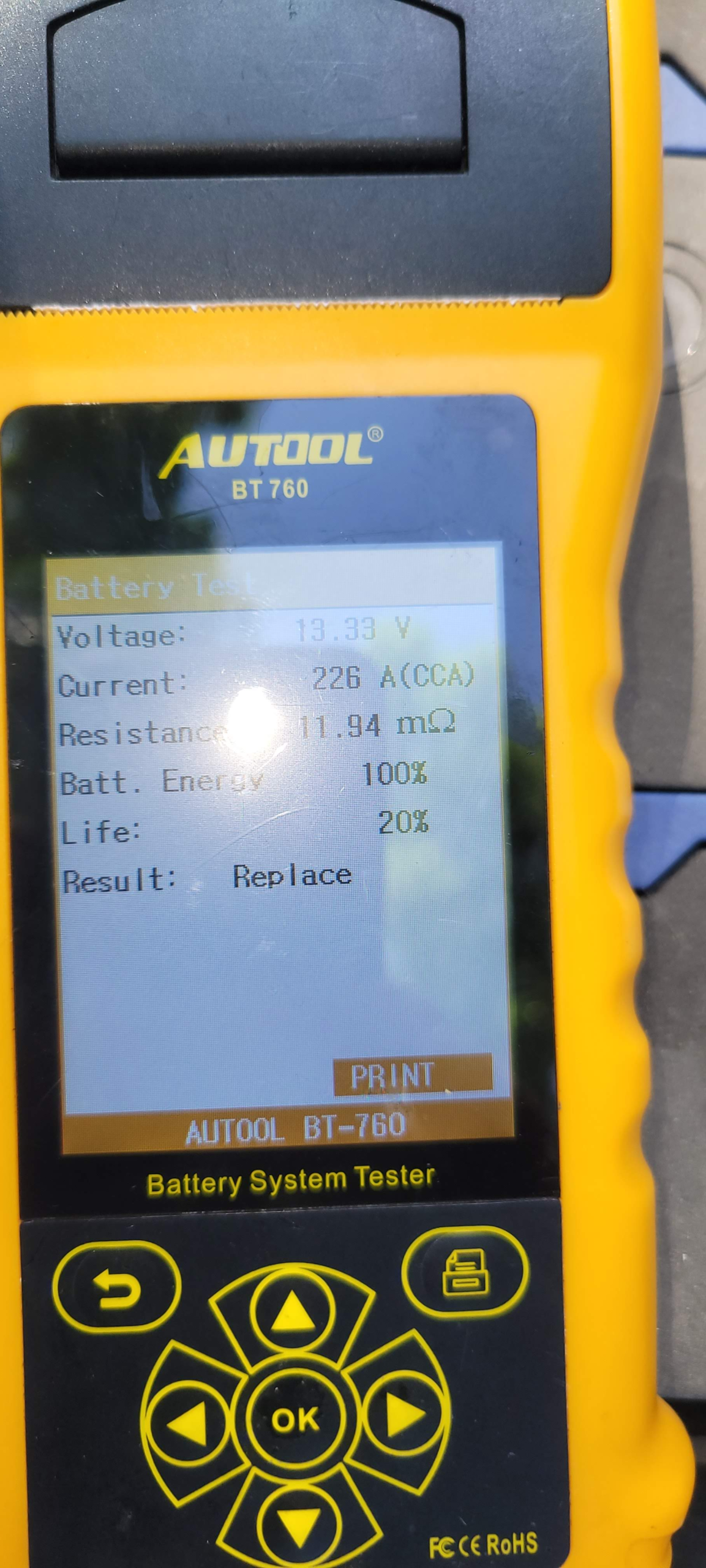
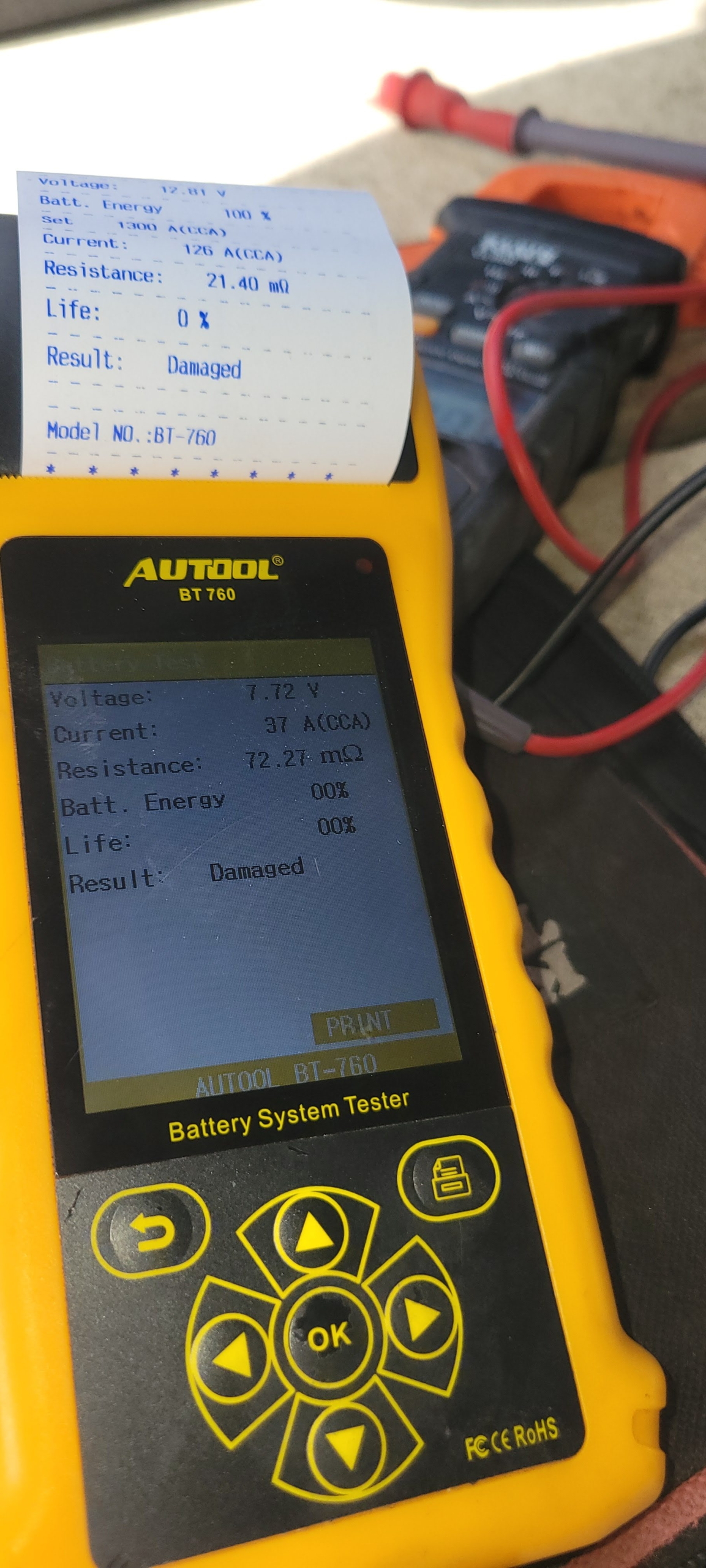
Battery test
Electrical issues are the #1 cause of frustration for RV owners. Whether you’re plugged into shore power or boondocking in the wild, the power must flow.
Converter/Inverter Troubleshooting: If your batteries aren’t charging while you’re plugged in, your converter is likely the culprit.
Solar Integration: We help owners transition to off-grid living by installing and maintaining solar panels, charge controllers, and Lithium (LiFePO4) battery banks.
EMS Protection: We diagnose issues caused by “dirty power” from old campground pedestals and install Electrical Management Systems to protect your sensitive electronics.
3. Plumbing
A leak in an RV can be catastrophic because the “bones” of many rigs are made of wood and luan.
Water Heaters: Whether it’s a traditional 6-gallon tank or a modern tankless “on-demand” system, we handle the descaling, anode rod replacement, and valve repairs.
Valves and Faucets: Water appliances on RVs are extremely susceptible to high pressure and freezing. It is not uncommon for these items to weaken over time and fail.
4. Awning Restoration and Repair
Your awning is your outdoor living room, providing essential shade and protection. However, it is also one of the most vulnerable components on your rig, prone to wind damage and UV degradation.
Fabric Replacement: If your awning is peeling, molded, or torn, we provide professional fabric swaps that restore the look and function of your patio area.
Motor & Hardware Troubleshooting: For electric awnings, a failed motor can leave you stranded with an extended arm. We diagnose motor issues, replace broken “arms,” and ensure the lead rail closes flush against the RV.
Wind Sensor Calibration: Many modern awnings have auto-retract features. We test and calibrate these sensors to ensure your awning hides away when the wind picks up.
Pro-Tip: “Never leave your awning extended when you leave the campsite. A sudden microburst of wind can flip an awning over the roof of your RV in seconds, leading to thousands of dollars in structural damage.”
Preventive Maintenance: The “Smitty” Checklist
The best repair is the one you never have to make. At Call Smitty RV Service, we believe in proactive care to extend the life of your investment.
Component
Maintenance Interval
Action Required
Roof Seals
Every 90 Days
Inspect for cracks in the Dicor; touch up sealant to prevent water intrusion.
Slide-Outs
Every 6 Months
Clean and lubricate tracks and treat seals with UV protectant.
Wheel Bearings
Every 12,000 Miles
Inspect, clean, and repack bearings (for towables) to prevent roadside fires.
Batteries
Monthly
Check water levels in lead-acid batteries and clean terminal corrosion.
When to Call the Expert
Some RV projects are great for the DIY-inclined owner, but others require specialized tools and diagnostic equipment.
Pro-Tip: If you are smelling propane, seeing water pooling where it shouldn’t, or hearing a “grinding” noise when your slide-outs move—stop. Forcing a mechanical system that is failing usually doubles the eventual repair bill.
Why Experience Matters
RV systems are interconnected. A flickering light might not be a bad bulb; it could be a failing ground wire in the chassis or a converter that is pushing out “dirty” DC power. Call Smitty uses professional-grade multimeters and diagnostic scanners to find the root cause rather than just replacing parts until the problem goes away.
The Value of Integrity in Mobile Repair
When you invite a technician to your campsite, you are inviting them into your home. Call Smitty RV Service is built on the foundation of honest communication and veteran-level expertise.
We don’t just fix the problem; we educate the owner. Understanding how your RV works is the best way to ensure you have a safe and enjoyable journey.
Our Promise to You:
Fair Pricing: Clear estimates before the work begins.
Quality Parts: We use OEM or high-quality aftermarket components that are built to last.
Clean Worksite: We respect your space and leave your campsite cleaner than we found it.
Conclusion: Serving the Texas Hill Country
Your RV represents your hard work and your dreams of exploration. Don’t let a mechanical failure or a lack of maintenance turn your “home-on-wheels” into a “headache-on-wheels.”
Call Smitty RV Service is proud to offer specialized dispatching throughout the Texas Hill Country. We understand the unique challenges of this region—from the limestone-hard water that can scale up your water heater to the intense sun that punishes your roof seals and awning fabric.
Whether you are:
Enjoying the wineries in Fredericksburg
Parked along the river in Kerrville or New Braunfels
Settled into a resort in Boerne or Canyon Lake
Exploring the scenic backroads near Wimberley and Johnson City
We bring the shop to you. You don’t need to navigate the winding Hill Country roads just to find a service center; we navigate them for you. Our mission is to ensure that your only worry is which sunset spot to pick next. From the roof to the rubber, Call Smitty RV Service is your partner in mobile living.
Don’t Let a Breakdown Stall Your Adventure: The Power of Preventative RV Inspections
There is nothing quite like the freedom of the open road, especially when that road leads you through the beautiful Texas Hill Country. Whether you’re setting up camp in Fredericksburg, exploring the rugged beauty of Junction, or relaxing by the river in Kerrville, your RV is your ticket to adventure.
But as any seasoned traveler knows, an RV is a complex machine—it’s a house on wheels enduring a constant earthquake every time you hit the highway. Without regular check-ups, small issues can quickly turn into expensive repairs or, worse, a ruined vacation.
At Call Smitty RV Service, we believe the best way to enjoy your RV is with total peace of mind. That’s why we’ve designed our tiered Preventative Maintenance Inspections to keep you safe and your rig ready for the road.
Most RV owners wait until something breaks to call a technician. However, “proactive” is always cheaper than “reactive.” Regular inspections help you:
Catch Water Leaks Early: A tiny crack in your roof sealant can lead to thousands of dollars in water damage before you ever see a drop inside.
Ensure Family Safety: From propane leaks to expired CO detectors, safety systems need regular testing.
Maintain Resale Value: A well-documented maintenance history is a goldmine when it’s time to upgrade.
Choosing the Right Inspection for Your Rig
We offer three levels of professional inspections to meet your needs and budget. As an RVTI and NRVTA trained technician with 10 years of experience, Smitty knows exactly where the “hidden” problems like to hide.
1. The Red Inspection: The Safety First Check ($125)
Perfect for a quick “peace of mind” check before a weekend getaway. This focuses on the critical life-safety systems of your RV, including:
Propane Leak Tests: Ensuring your gas lines are tight and safe.
Life-Safety Detectors: We test and check the expiration dates of your smoke, CO, and propane detectors.
Electrical & Tires: We verify GFI operation and check your tire condition and pressure—the #1 cause of roadside emergencies.
2. The White Inspection: The Condition Check ($225)
This includes everything in the Red Inspection plus a deep dive into the “envelope” of your RV. We visually inspect:
The Roof & Sealants: We look at joints, windows, and roof vents for any signs of aging or failure.
Exterior & Interior Structure: We check for signs of delamination, wall issues, and the early warning signs of interior water damage.
3. The Blue Inspection: The Full Operational Check ($300) – Best Value!
This is our most comprehensive service. We test everything to ensure your home-on-wheels is fully functional. On top of the Red and White services, we include:
Appliance Testing: Ensuring your fridge, furnace, and water heater are working efficiently.
System Diagnostics: We check the freshwater, wastewater, and electrical systems.
Moving Parts: We test the operation of your slide-outs, leveling jacks, and awnings.
Experience the Mobile Advantage
The best part? We come to you. No more leaving your RV at a dealership for weeks on end. Whether you are at home or at a campsite in Mason, Harper, or beyond, Call Smitty RV Service provides expert maintenance at your doorstep.
Winter is coming, and while you might be dreaming of cozy nights by the fire, your RV is likely dreading the cold. Forgetting to properly winterize your recreational vehicle can lead to a host of expensive and frustrating problems. Don’t let a little negligence turn your spring RV dreams into a costly nightmare!
Winterization is essentially preparing your RV’s water system and other components to withstand freezing temperatures. Water expands when it freezes, and if it’s left in your pipes, tanks, and fixtures, that expansion can cause them to burst or crack. This can result in leaks, significant water damage, and a hefty repair bill when spring finally arrives.
The Dangers of Freezing Water: A Closer Look
Here’s a breakdown of the key areas vulnerable to freeze damage:
Pipes and Hoses: Your RV’s plumbing system, including fresh water lines, drain lines, and even exterior hoses, are all susceptible. A burst pipe can lead to extensive water damage, not just to the pipe itself, but to the surrounding cabinetry, flooring, and even electrical components.
Water Heater: If water is left in your water heater and freezes, it can damage the tank, heating elements, and bypass valves. This can render your water heater unusable and require expensive replacement parts.
Water Pump: The heart of your RV’s water system, the water pump, can also be severely damaged by freezing water. The internal components are not designed to withstand the pressure of expanding ice.
Holding Tanks (Fresh, Grey, Black): While these tanks are often made of more flexible materials, they can still be damaged, especially if they are completely full of water that then freezes and expands. Even a small crack can lead to persistent leaks.
Toilet Valve Cracking
One particularly insidious and often overlooked problem is the cracking of your RV toilet’s flush valve. This small but crucial component is made of plastic and is responsible for controlling the flow of water into the toilet bowl when you flush. If water remains in this valve and freezes, the expanding ice can easily crack the plastic.
The frustrating part? You might not even realize it’s cracked until you de-winterize your RV in the spring and go to use the toilet. Suddenly, you’ll have a constant drip or a slow leak. Replacing a toilet valve can be a fiddly and time-consuming repair, and in some cases, a severely damaged valve might even necessitate replacing the entire toilet. It’s a prime example of how a small oversight during winterization can lead to a significant headache.
The Benefits Outweigh the Effort
While winterizing your RV might seem like a chore, the benefits far outweigh the time and effort involved. Think of it as an investment in the longevity and trouble-free enjoyment of your RV.
Peace of Mind: Knowing your RV is protected from the elements allows you to relax throughout the winter months.
Cost Savings: Avoiding costly repairs from freeze damage can save you hundreds, if not thousands, of dollars.
Extended RV Lifespan: Proper maintenance, including winterization, contributes to the overall health and lifespan of your recreational vehicle.
Ready for Spring: When warmer weather returns, you’ll be able to hit the road faster without having to deal with unexpected repairs.
Don’t Delay, Winterize Today!
Whether you’re a seasoned RVer or just bought your first rig, don’t underestimate the importance of winterization. If you’re unsure about the process, consult your RV’s owner’s manual, watch some online tutorials, or consider having a professional service handle it for you. A little preparation now can save you a lot of grief (and money!) later. Happy camping (next spring)!
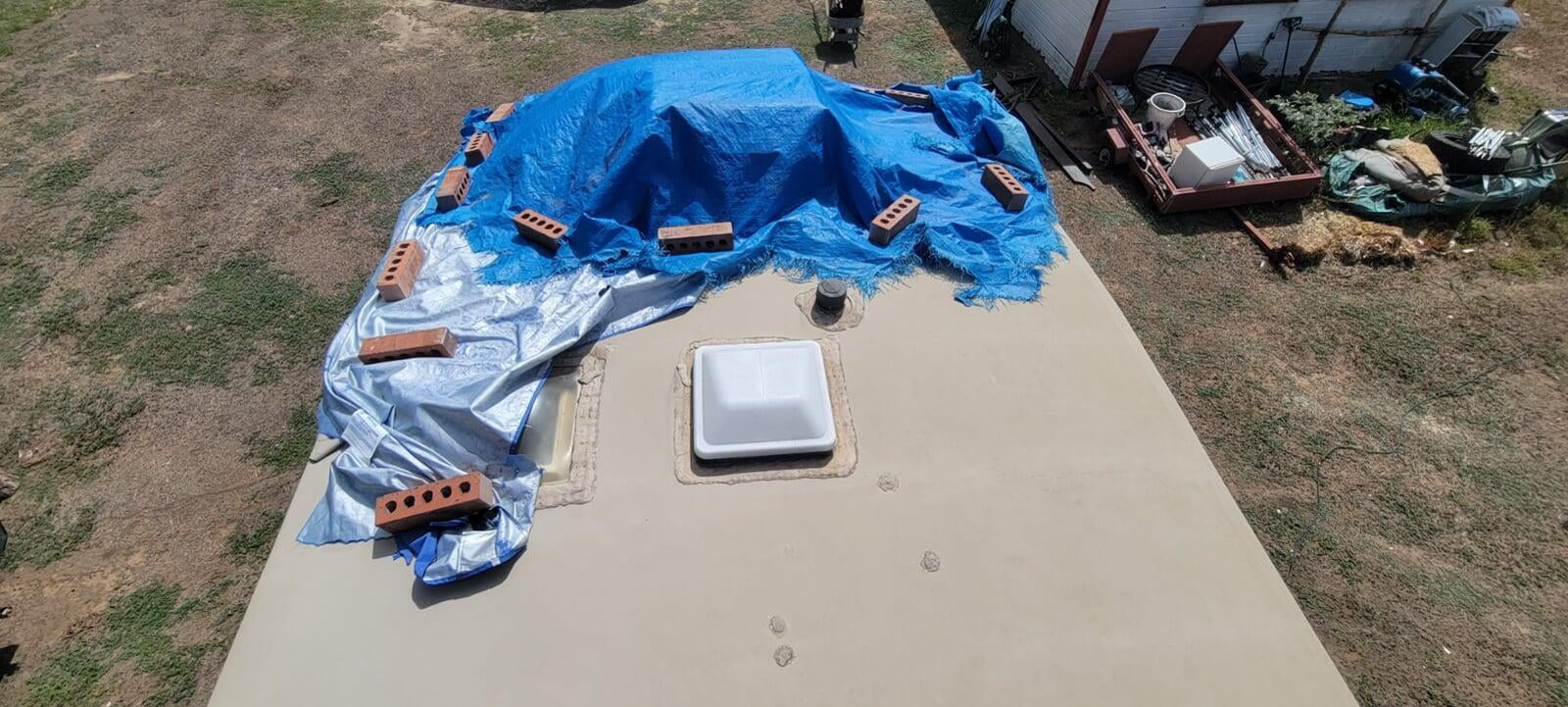
After a blistering hot summer, we are finally getting some rain. Unfortunately this can also be when we find out how our roof is holding up. If you are seeing signs of a leak on the inside, you might already have significant damage.
It’s a good idea to check your roof for damage and failing sealant several times a year. A quick inspection and preventative sealant application can go a long way to protecting the structure and belongings of your RV
Loromar RV Service will visit your location in the San Antonio area to perform repairs on your camper or motorhome.
Call to setup a roof inspection or full preventative maintenance inspection to stay in front of the wear and tear.
This wall rot started with a small roof leak.Once you start seeing damage in the living space, there is usually significant structural damage.
Your RV battery is the heart of your mobile home. It powers everything from lights and appliances to your entertainment system. Proper care and maintenance are essential to ensure it’s always ready to go. Here’s a comprehensive guide to keep your RV battery in tip-top shape:
Understanding RV Batteries
Types of RV Batteries:
Lead-Acid Batteries: These are the most common type, available in flooded and sealed varieties.
Lithium-Ion Batteries: Newer and more efficient, they offer higher capacity and longer lifespan.
Battery Banks: Many RVs use multiple batteries connected in parallel to increase capacity.
Essential Battery Care Tips
Regular Checks:
Visual Inspection: Look for signs of corrosion, leaks, or physical damage.
Voltage Check: Use a voltmeter to measure battery voltage. A fully charged 12-volt battery should read around 12.6 volts.
Hydrometer Check (for flooded batteries): Measure the specific gravity of the electrolyte to assess battery health.
Proper Charging:
Shore Power Charging: Connect your RV to shore power to charge the batteries using the onboard converter.
Solar Panel Charging: A solar panel system can provide renewable energy to keep your batteries charged, especially when boondocking.
Generator Charging: A portable generator can be used to charge your batteries when shore power isn’t available.
Battery Maintenance:
Keep Terminals Clean: Use a wire brush or battery terminal cleaner to remove corrosion.
Add Water (for flooded batteries): Check the water level in each cell and add distilled water as needed.
Equalize (for flooded batteries): Periodically equalize the battery to ensure all cells are balanced.
Store Properly: If you’re storing your RV for an extended period, fully charge the batteries and store them in a cool, dry place.
Energy Conservation:
Power Management: Use energy-efficient appliances and turn off lights and electronics when not in use.
Battery Isolator: Install a battery isolator to prevent the starter battery from draining the house batteries.
By following these tips, you can significantly extend the life of your RV battery and ensure reliable power for your adventures. Remember, a well-maintained battery is a happy battery, and a happy battery means a happy RV owner!
Here are some safety tips for working with batteries:
Wear protective gear: Always wear gloves, eye protection, and closed-toe shoes when working with batteries. Battery acid is corrosive and can cause serious burns.
Avoid metal objects: Keep metal objects like jewelry, watches, and tools away from batteries. Metal can conduct electricity and cause a short circuit, which can lead to an explosion or fire.
Work in a well-ventilated area: Battery fumes can be harmful, so it’s important to work in a well-ventilated area.
Don’t overcharge batteries: Overcharging a battery can damage it and increase the risk of fire.
Dispose of batteries properly: Batteries should be disposed of properly at a recycling center. Do not throw them in the trash.
If you are unsure about how to safely work with a battery, it is always best to consult a professional.
Privacy & Cookies: This site uses cookies. By continuing to use this website, you agree to their use. To find out more, including how to control cookies, see here: Cookie Policy.